
Public Journal
Public Journal
Can You Recycle Polystyrene in the UK? Bin Guide & Locations
Find out if polystyrene is recyclable in the UK, which bin it goes in, recycling centres, and local options like Oxford, Cambridge, Leeds. Complete guide.
Polystyrene appears everywhere—from packaging protecting new appliances to takeaway containers and insulation materials. Yet disposing of it responsibly remains confusing for many UK households. The answer to whether you can recycle polystyrene depends heavily on your location, the type of polystyrene, and the facilities available in your area.
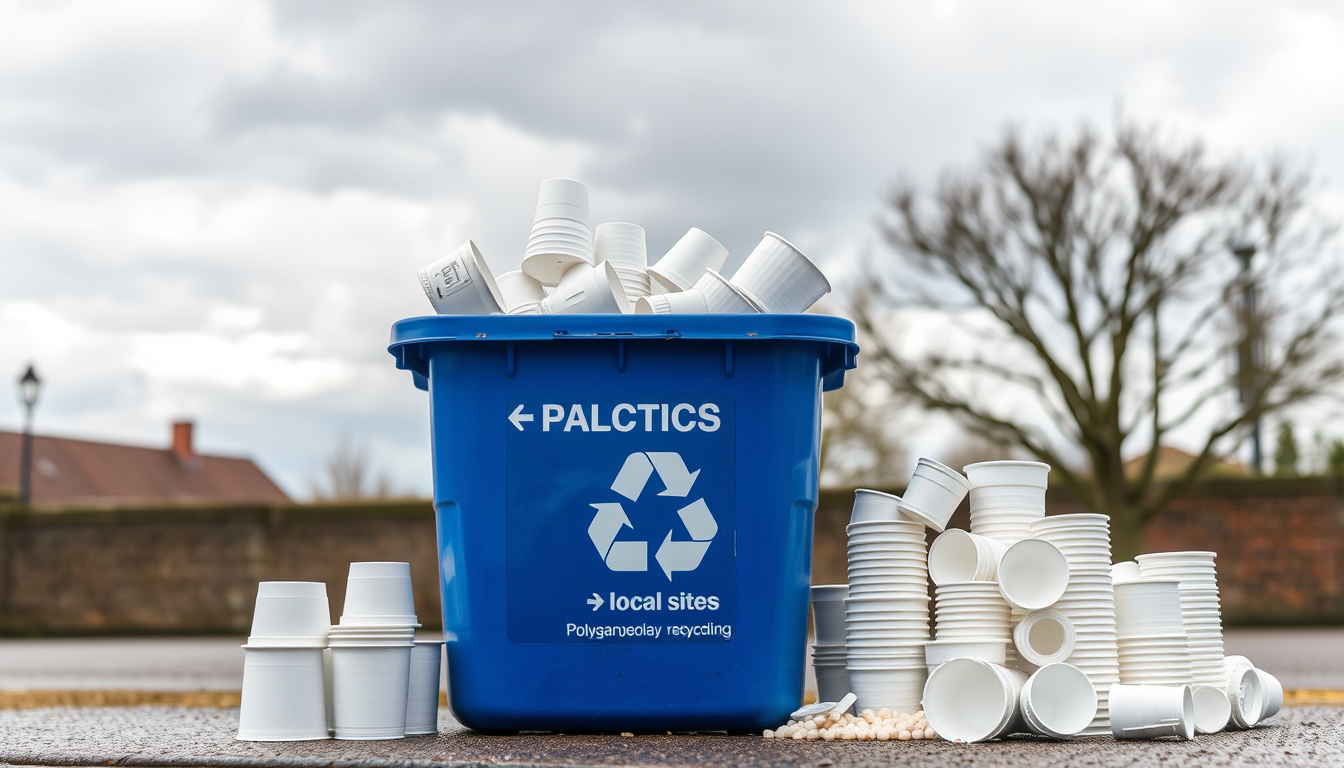
While polystyrene is technically recyclable, most UK councils do not accept it in standard household recycling bins. The material’s lightweight, bulky nature creates challenges for sorting facilities, meaning residents typically need to seek specialist disposal routes or use general waste bins. Understanding the specific rules in your area can help you make more environmentally conscious decisions.
Can You Recycle Polystyrene in the UK?
Polystyrene recycling in the UK exists but remains limited. According to the Waste and Resources Action Programme (WRAP), the infrastructure for processing polystyrene at scale is not widely available across the country. Most local authorities direct residents to general waste bins rather than kerbside recycling collections.
Expanded polystyrene (EPS) can be processed commercially through granulation, compacting, or densifying.
Various Household Waste Recycling Centres (HWRCs) accept clean EPS blocks, though processing varies by location.
Standard household recycling bins across most of the UK do not collect polystyrene due to sorting equipment damage risks.
Edinburgh, Nottinghamshire, and North London each have different policies. Residents should verify with their local council.
Key Facts About Polystyrene Recycling
- Polystyrene is not collected via kerbside recycling in most UK areas
- Expanded polystyrene (EPS) is the most recyclable variant, yet infrastructure remains limited
- Some recycling centres accept clean EPS blocks but may not actually recycle them
- Placing polystyrene in recycling bins can damage sorting machinery
- Businesses producing large volumes may access specialist recycling services
- Reuse options exist, including returning packaging to retailers like Currys PC World
- Environmental degradation takes approximately 500 years for polystyrene to break down
| Disposal Method | Availability | Notes |
|---|---|---|
| Kerbside recycling bins | Rarely available | Not recommended; causes sorting issues |
| General waste bins | Widely available | Most common route for households |
| Household Waste Recycling Centres | Some locations | Edinburgh HWRCs accept clean EPS blocks |
| Specialist recyclers | Limited | Primarily for businesses and commercial volumes |
| Retailer take-back schemes | Varies | Some electronics retailers accept packaging |
| Energy recovery facilities | Business-focused | Some waste firms use for energy generation |
Which Bin Does Polystyrene Go In?
For most UK households, the correct answer is straightforward: general waste or residual bins. Polystyrene should not go into recycling bins. Councils including Ealing Council explicitly warn that polystyrene damages sorting equipment, leading many authorities to ban it from kerbside collections entirely.
Why Polystyrene Gets Rejected from Recycling Bins
The material presents specific challenges for recycling facilities. Polystyrene is lightweight and expands significantly in volume, which means a small amount of it can contaminate large quantities of other recyclables. Additionally, the foam structure makes it difficult to separate from other materials during the sorting process.
Ealing Council advises residents to dispose of polystyrene in rubbish bins only. The council states that placing it in recycling bins risks damaging sorting machinery and may cause entire batches of recyclables to be rejected.
What Happens When Polystyrene Enters the Wrong Bin
When polystyrene enters the recycling stream, it often bypasses sorting systems entirely and ends up in landfill. In worst-case scenarios, contaminated loads force facilities to divert entire collections to general waste. This undermines recycling efforts and increases processing costs for councils.
Zero Waste Scotland confirms that polystyrene is not currently collected through kerbside recycling programmes in most areas. The organisation recommends checking local authority guidance and using specialist disposal routes where available.
Where Can I Recycle Polystyrene Near Me?
Finding a location to recycle polystyrene depends entirely on where you live. Some local authorities have introduced specific collection points or accept the material at Household Waste Recycling Centres (HWRCs). Others direct all polystyrene to general waste without offering recycling options.
Polystyrene Recycling by Location
Edinburgh accepts polystyrene at its Household Waste Recycling Centres, but only clean expanded polystyrene blocks and foam packaging. Yogurt pots and other food-contaminated items remain excluded. Residents must transport materials to HWRCs rather than relying on kerbside collections.
Nottinghamshire takes a different approach. The county council accepts polystyrene at recycling centres but notes that materials collected are not currently recycled on-site. They also permit polystyrene in waste wheeled bins, acknowledging that dedicated recycling is not available.
North London Waste Authority allows expanded polystyrene packaging at some Reuse and Recycling Centres, specifically appliance protection and sturdy packaging. Takeaway containers and contaminated items are not accepted. Most other areas of North London must use general waste bins.
Residents in Oxford, Cambridge, and Leeds should check directly with their local councils, as no consistent rules were identified across available sources. Contacting your local HWRC or council website provides the most accurate guidance for your specific area.
What Types of Polystyrene Are Accepted
Not all polystyrene is treated equally. Expanded polystyrene (EPS), commonly used for protective packaging and insulation, is the most likely to be accepted at recycling facilities. This material can be processed through compaction, granulation, or densifying to create new products including packaging, toys, fence panels, and plant pots.
Extruded polystyrene (XPS) and other forms are rarely accepted. Items contaminated with food residue, such as takeaway containers or yogurt pots, generally cannot be recycled regardless of location. Cleaning polystyrene before disposal improves the chances of successful processing. For more information on plastic recycling options, consult our comprehensive guide.
Can You Recycle Polystyrene at the Tip or Recycling Centre?
Many Household Waste Recycling Centres and Reuse and Recycling Centres do accept polystyrene, but the situation is inconsistent across the UK. Some centres accept it and actually process it; others collect it but send the material to landfill or energy recovery facilities.
Step-by-Step Disposal Guide
Before disposing of polystyrene, consider reuse options. Intact pieces serve well for packing, crafts, or storage. Some retailers, including those in the Dixons Carphone group, accept clean polystyrene packaging for reuse.
If disposal is necessary, follow these steps:
- Check locally: Visit your council website or contact them to confirm whether polystyrene is accepted at nearby facilities
- Clean the material: Remove food residue and contaminants to improve recyclability
- Assess the type: Expanded polystyrene blocks and foam packaging are most likely to be accepted
- Visit a HWRC or RRC: Take clean EPS to an accepting recycling centre
- Use general bins as fallback: If no recycling option exists, use your household rubbish bin
- Avoid recycling bins: Never place polystyrene in kerbside recycling collections
Central Waste Liverpool warns that placing polystyrene in household recycling bins can damage sorting machinery. The material’s lightweight, bulky nature causes it to contaminate other recyclables and interfere with processing equipment.
Business and Commercial Options
Businesses generating large volumes of polystyrene have additional options. Specialist waste management firms offer compaction services that reduce volume significantly, making transport more economical. Some facilities use densifying technology to transform polystyrene into dense blocks or pellets suitable for manufacturing new products.
In 2018, 52% of UK polystyrene packaging incorporated recycled content, demonstrating that commercial-scale recycling is achievable when proper infrastructure exists. However, the lack of compactors and specialist facilities limits household-level access to these programmes.
The Polystyrene Recycling Process
Understanding how polystyrene is actually recycled helps explain why the process remains limited. Three primary methods exist for processing expanded polystyrene commercially.
Granulation
Granulation breaks EPS into small beads that can be mixed with virgin material to create new polystyrene products. This process maintains the material’s structural properties and allows for repeated recycling without significant quality loss.
Compacting
Compacting uses hydraulic pressure to compress EPS into denser forms. The compressed material can be baled and shredded into pellets suitable for manufacturing. Compacting dramatically reduces volume—typically by a factor of 50:1—making transport economically viable.
Densifying
Densifying shreds foam and melts it into solid blocks or pellets. These can be used directly in manufacturing new products including cups, furniture components, and construction materials. Densified polystyrene loses its foam structure but retains the material’s beneficial properties.
What We Know and What Remains Uncertain
The picture of polystyrene recycling in the UK contains both established facts and significant gaps. Clear inconsistencies exist between official council guidance, commercial claims, and actual recycling rates.
| Established Information | Uncertain or Unclear |
|---|---|
| Most councils do not accept polystyrene kerbside | Exact recycling rates for accepted materials |
| Some HWRCs accept clean EPS blocks | Whether accepted materials are actually recycled |
| Polystyrene can damage sorting equipment | Consistent rules for Oxford, Cambridge, and Leeds |
| Extruded types are less recyclable than EPS | Future infrastructure developments |
| Environmental degradation takes centuries | Full environmental impact of alternative disposal methods |
Mixed messaging from different sources complicates understanding. Official government sources tend to emphasise limitations, while commercial recyclers highlight potential. Local variations mean that guidance applicable in one area may not apply elsewhere, even within the same region.
Environmental Impact and Common Myths
Polystyrene presents significant environmental challenges. The material is not biodegradable, with estimates suggesting it can persist in the environment for approximately 500 years. When it does break down, it fragments into microplastics that accumulate in oceans and harm marine life.
Central Waste Liverpool reports that polystyrene occupies approximately 30% of landfill space despite comprising a smaller percentage of total waste by weight. Its bulkiness creates disproportionate disposal challenges compared to denser materials.
Production of polystyrene releases hydrocarbons that contribute to air pollution, though modern manufacturing avoids ozone-depleting substances like CFCs and HCFCs. The environmental benefits of recycling must be weighed against the energy and resources required for collection and processing. Understanding proper household waste disposal methods can help reduce environmental impact.
Debunking Common Misconceptions
Myth: All polystyrene is easily recyclable like other plastics.
Reality: Expanded polystyrene is the most recyclable variant, but infrastructure gaps mean most still goes to landfill. Extruded polystyrene and contaminated items are rarely recycled at all.
Myth: You can put polystyrene in any recycling bin.
Reality: Polystyrene clogs sorting equipment and contaminates other materials. Councils explicitly reject it from kerbside collections.
Myth: Polystyrene is fully biodegradable.
Reality: Polystyrene disintegrates into microplastic particles that persist in the environment. It does not biodegrade in any meaningful timeframe.
Sources and Official Guidance
Multiple organisations provide guidance on polystyrene disposal, though recommendations vary based on location and perspective.
Zero Waste Scotland advises that polystyrene is not currently collected through kerbside recycling programmes. Residents should verify local arrangements with their council or check HWRC listings for specific guidance.
The North London Waste Authority specifies that expanded polystyrene packaging is accepted at some Reuse and Recycling Centres, but only sturdy types such as appliance protection. Takeaway containers and similar items should go in general waste.
Residents can find tailored information by visiting their local council website or using the Gov.uk recycling guidance portal. For specific questions about household waste, contacting the local authority directly remains the most reliable method of confirming current disposal options.
Summary
Recycling polystyrene in the UK is possible but not straightforward. The material is technically recyclable, yet most households cannot access kerbside collection services. Your best options depend on your location—some councils accept clean EPS at recycling centres, while others direct all polystyrene to general waste.
Before disposing of polystyrene, check your local council website to confirm current arrangements. Clean materials accepted at recycling centres have the best chance of being processed. Avoid placing polystyrene in kerbside recycling bins, as this can damage equipment and contaminate other materials.
The environmental case for reducing polystyrene use remains strong regardless of recycling availability. The material persists for centuries and generates microplastic pollution when it breaks down. Reusing packaging and choosing alternatives where possible offers the most sustainable approach.
Frequently Asked Questions
Can you recycle polystyrene in Oxford?
Specific recycling rules for Oxford were not found in available sources. Residents should check the Oxford City Council website or contact the local authority directly to confirm whether polystyrene is accepted at HWRCs or requires general waste disposal.
Can you recycle polystyrene in Cambridge?
No consistent rules were identified for Cambridge specifically. Contact Cambridgeshire County Council or your district authority to verify local polystyrene recycling options before disposing of the material.
Can you recycle polystyrene in Leeds?
Leeds City Council guidance on polystyrene recycling was not available in the reviewed sources. Residents should check the council website or contact waste services directly for accurate, up-to-date information.
Is expanded polystyrene recyclable in the UK?
Expanded polystyrene (EPS) is the most recyclable form of polystyrene. Some recycling centres accept clean EPS blocks, and specialist facilities can process it through granulation, compacting, or densifying. However, kerbside collection is rarely available.
Does putting polystyrene in recycling bins help?
No. Councils advise against placing polystyrene in recycling bins because it damages sorting equipment and contaminates other materials. Items placed in recycling bins that cannot be processed often end up in landfill anyway.
What happens to polystyrene collected at recycling centres?
It varies by location. Some centres process materials on-site; others collect them for energy recovery or general waste. Nottinghamshire, for example, accepts polystyrene at recycling centres but confirms it is not currently recycled there.
Can businesses recycle polystyrene more easily than households?
Yes. Businesses generating large volumes can access specialist waste management services offering compaction and densifying. These facilities process polystyrene into forms suitable for manufacturing new products, achieving high recycling rates for commercial users.

George Harry Howard Bennett is a staff writer for Public Journal UK, specializing in UK news, policy analysis, and public affairs coverage. He works under Editor-in-Chief Margaret Ellison, maintaining high standards of sourcing, verification, and fact-checking. Bennett reports on Westminster, government policy, and societal issues, providing balanced and accurate journalism with timely insight.