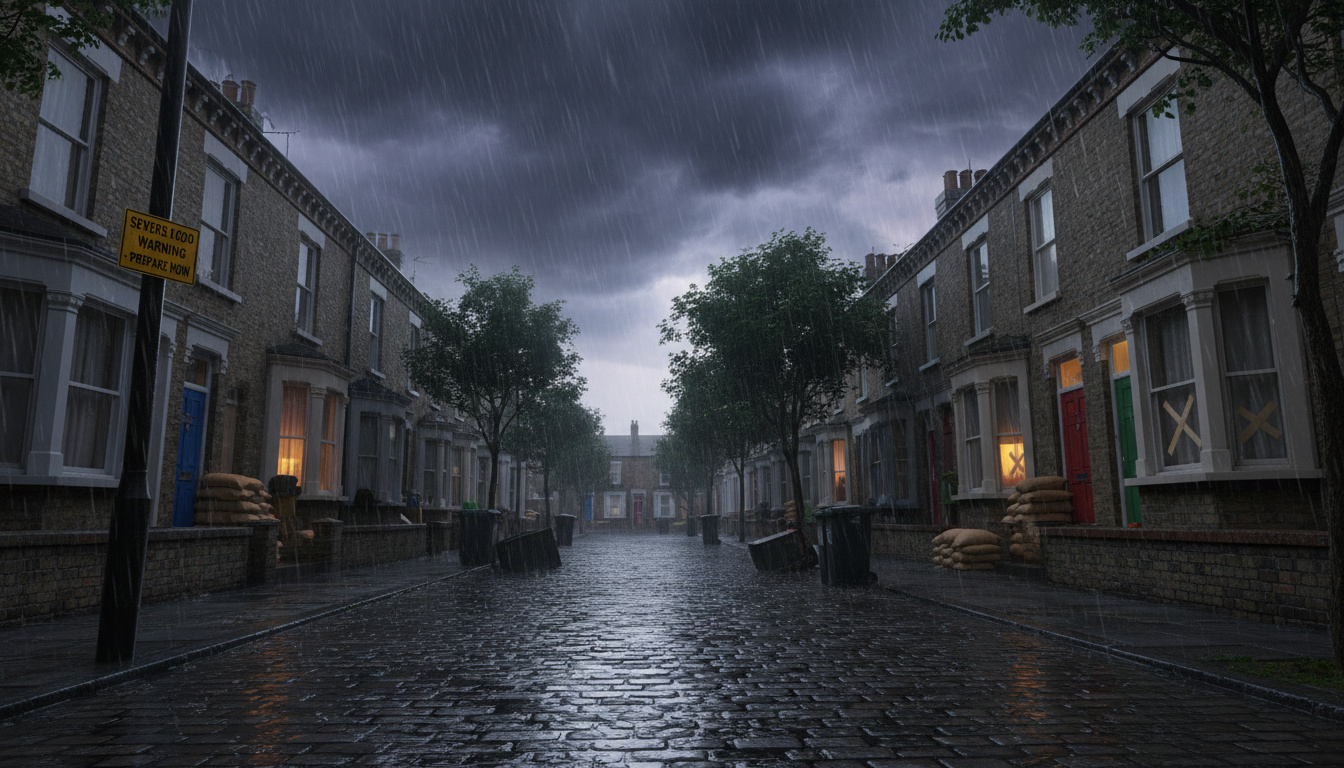
The UK Met Office has issued multiple amber warnings for snow and ice that will directly impact households across northern Scotland, with accumulations of 20 to 30 centimetres expected in the most severe zones by Monday morning. Additional yellow warnings span Scotland, Northern Ireland, Wales, and parts of England, signalling widespread disruption to daily routines from Sunday 4 January 2026 through Monday 10 January 2026.
Residents in the northern half of Scotland face prolonged exposure to heavy snow showers merging into longer spells, alongside potential blizzards driven by strong winds. Freezing conditions increase health risks, particularly for vulnerable populations, while power outages and travel cancellations remain likely across the amber warning areas.
Authorities have activated public health alerts and urged immediate preparation, including stocking essential supplies and verifying heating systems, as temperatures drop sharply and ice hazards spread beyond the immediate snow zones.
What is the weather warning for UK households?
Amber (Be prepared) for northern Scotland; Yellow for broader regions
Northern Scotland, Northern Ireland, Wales, central and southern England
Sunday 4 Jan 1800 to Monday 10 Jan 1000 (northern Scotland)
Power cuts, frozen pipes, travel disruption, health impacts
Key developments households should monitor:
- Snow accumulation: 20-30 cm in amber zones by Monday morning, with 30-40 cm on high ground.
- Health vulnerability: Over-65s face elevated risks of heart attacks, strokes, and chest infections.
- Infrastructure strain: Heavy snow likely to cause power cuts in northern Scotland.
- Travel paralysis: Roads may become impassable, with stranded vehicles expected.
- Extended cold: Yellow warnings persist through early January 2026.
- Regional variation: Wales and Midlands face separate amber risks later in the period.
| Fact | Details | Source |
|---|---|---|
| Issued By | UK Met Office | Met Office |
| Warning Level | Amber (northern Scotland), Yellow (widespread) | Met Office |
| Start Date | Sunday 4 January 2026, 18:00 GMT | Met Office |
| End Date | Monday 10 January 2026, 10:00 GMT | Met Office |
| Primary Risk | Snow accumulation, ice, strong winds | Met Office |
| Health Alert | UKHSA Amber Cold Health Alert (England until 6-11 Jan) | Met Office |
Which areas of the UK are affected by the weather warning?
The geographic scope of the warnings creates a tiered risk map across the United Kingdom, with northern Scotland bearing the brunt of severe conditions.
Are northern Scotland and the Highlands at highest risk?
Amber warnings concentrate on the northern half of Scotland, encompassing the Highlands and north-east regions. These areas face heavy snow showers that will merge into prolonged spells, accompanied by strong winds capable of producing blizzard conditions. Accumulations of 20 to 30 centimetres are forecast by Monday morning in these zones.
Where do yellow warnings apply?
Yellow warnings extend across broader Scotland, Northern Ireland, Wales, and central and southern England. While snow will settle primarily in northern and central areas, ice poses a widespread hazard. Readers of our Wales vs South Africa – Score, Result and Highlights coverage should note that Welsh households face specific amber snow risks later in the week associated with Storm Goretti.
What about the Midlands and Wales?
Separate amber snow warnings target Wales and the Midlands later in the warning period. These regions require distinct preparation timelines as the weather system develops.
How long will the UK households weather warning last?
The duration varies significantly by region, creating a staggered timeline of risk that requires sustained vigilance from households.
When does the amber warning for northern Scotland begin and end?
For northern Scotland, the amber warning activates at 18:00 GMT on Sunday 4 January 2026 and remains in force until 10:00 GMT on Monday 10 January 2026. Some areas experienced extended warnings from Friday midday.
How long do yellow warnings persist?
Yellow warnings continue through early January 2026, with meteorologists indicating the cold spell will persist into the following week.
The UK Health Security Agency issued amber cold health alerts for England effective until 6-11 January 2026, extending concerns beyond the immediate snow and ice warnings.
What should households do to prepare for the weather warning?
Preparation strategies focus on mitigating risks of isolation, hypothermia, and infrastructure failure as temperatures plummet.
Is there a risk of power cuts and heating failures?
Power cuts are likely in amber warning areas across Scotland due to the weight of heavy snow on infrastructure. England vs South Africa – Latest Results and Fixtures coverage may distract from the severity, but households must prioritize heating system checks. Freezing temperatures significantly increase the likelihood of heart attacks, strokes, and chest infections, particularly among residents over 65 years and those with pre-existing medical conditions.
Authorities emphasize that vulnerable individuals require specific checks during this period. Frozen and burst pipes present additional hazards, while snow and ice elevate risks of slips and falls.
What emergency supplies should households assemble?
Met Office WeatherReady guidance advises stocking food and medications to avoid unnecessary travel, particularly for mobility-impaired residents. Emergency kits should address home and garden winterization, including provisions for frozen pipe prevention.
Households should clear paths and assist neighbors, wear layered clothing to maintain body heat, consume warm food and beverages, and move regularly to circulate blood. Continuous monitoring of forecasts via official apps, websites, and social media channels remains essential.
Will schools and transport services close?
While specific school closure lists remain pending, wintry hazards imply likely disruptions to educational institutions. Rail, bus, ferry, and air services face significant cancellations. Drivers should anticipate stranded vehicles and hazardous conditions, consulting Traffic Scotland before any journey.
How has the weather warning unfolded over time?
- : Initial warnings issued, with amber alerts for northern Scotland announced for Sunday. Source: ITV News
- : UKHSA issues amber cold health alerts for England effective through 6-11 January. Source: Met Office
- : Some areas see warnings extended from Friday midday. Source: Met Office
- : Amber warning for northern Scotland activates; heavy snow begins Sunday night. Source: Met Office
- : Peak accumulation reaches 20-30 cm in amber zones by Monday morning. Source: Met Office
- : Amber warning for northern Scotland expires. Source: Met Office
- : Milder air arrives Tuesday, though snow risks persist. Source: Chief Meteorologist
What is confirmed and what remains uncertain?
| Established Information | Information That Remains Unclear |
|---|---|
| Amber warning covers northern Scotland from 4 Jan 18:00 to 10 Jan 10:00 | Exact local snow depths in specific neighborhoods |
| 20-30 cm snow accumulation expected in amber areas by Monday morning | Precise timing and location of power cuts |
| Power cuts likely in amber Scotland areas due to heavy snow | Complete lists of school closures (not explicitly detailed) |
| Yellow warnings active for Scotland, Northern Ireland, Wales, and parts of England | Exact duration of transport disruptions |
| Separate amber risks for Wales and Midlands (Storm Goretti) | Total household economic impact |
Why does this weather warning matter for UK households?
This weather event represents a significant public safety challenge, combining meteorological severity with vulnerable infrastructure. The convergence of heavy snow, strong winds, and prolonged freezing temperatures creates compound risks where power failures could leave households without heat during critical cold periods.
The geographic concentration of amber warnings in northern Scotland targets regions where rural isolation can delay emergency responses. Meanwhile, the extension of yellow warnings into populous areas of England and Wales amplifies the potential for widespread travel chaos and strain on health services already managing winter pressures.
From an economic perspective, the warnings signal potential disruption to supply chains and local businesses, while households face increased energy consumption precisely when outages become more likely. The alignment of these factors elevates the event beyond routine winter weather into a situation requiring coordinated response from utility providers, local authorities, and individual households.
What are officials saying about the risks?
Snow will become frequent through Sunday night in the amber warning zones, with significant accumulations continuing into Monday.
— Chief Meteorologist, Met Office
While milder air arrives Tuesday, snow risks will persist across the affected regions.
— Chief Meteorologist, Met Office
Official guidance emphasizes that vulnerable populations require active checking, with specific attention to those over 65 and individuals with respiratory or cardiovascular conditions. WeatherReady resources provide detailed preparation checklists.
What is the essential takeaway for households?
Households across the UK must treat these warnings as immediate priorities, securing supplies, verifying heating functionality, and establishing communication plans before Sunday evening. Continuous monitoring of official Met Office channels provides the most reliable updates as conditions evolve.
Frequently asked questions
Can I travel during the weather warning?
Travel is strongly discouraged within amber warning zones due to risks of stranded vehicles and blizzard conditions. Check Traffic Scotland before any essential journey.
What should I do if my boiler fails during the warning?
Contact emergency heating services immediately. Wear multiple clothing layers, consume warm drinks, and move regularly to maintain body temperature while awaiting repair.
Are there government grants available for winter preparation?
Households should consult government resources for information on cold weather payments and winter fuel support.
How can I check if my area is under an amber or yellow warning?
Visit the Met Office warnings page or download the official Met Office app for real-time updates specific to your postcode.
Should I be concerned about frozen pipes?
Yes. Allow faucets to drip slightly, open cabinet doors to circulate warm air, and insulate exposed pipes to prevent freezing and potential bursts.
What if I cannot reach vulnerable family members?
Contact local police or social services for welfare checks. Prepare emergency contact lists and establish check-in times before communications potentially fail.

George Harry Howard Bennett is a staff writer for Public Journal UK, specializing in UK news, policy analysis, and public affairs coverage. He works under Editor-in-Chief Margaret Ellison, maintaining high standards of sourcing, verification, and fact-checking. Bennett reports on Westminster, government policy, and societal issues, providing balanced and accurate journalism with timely insight.