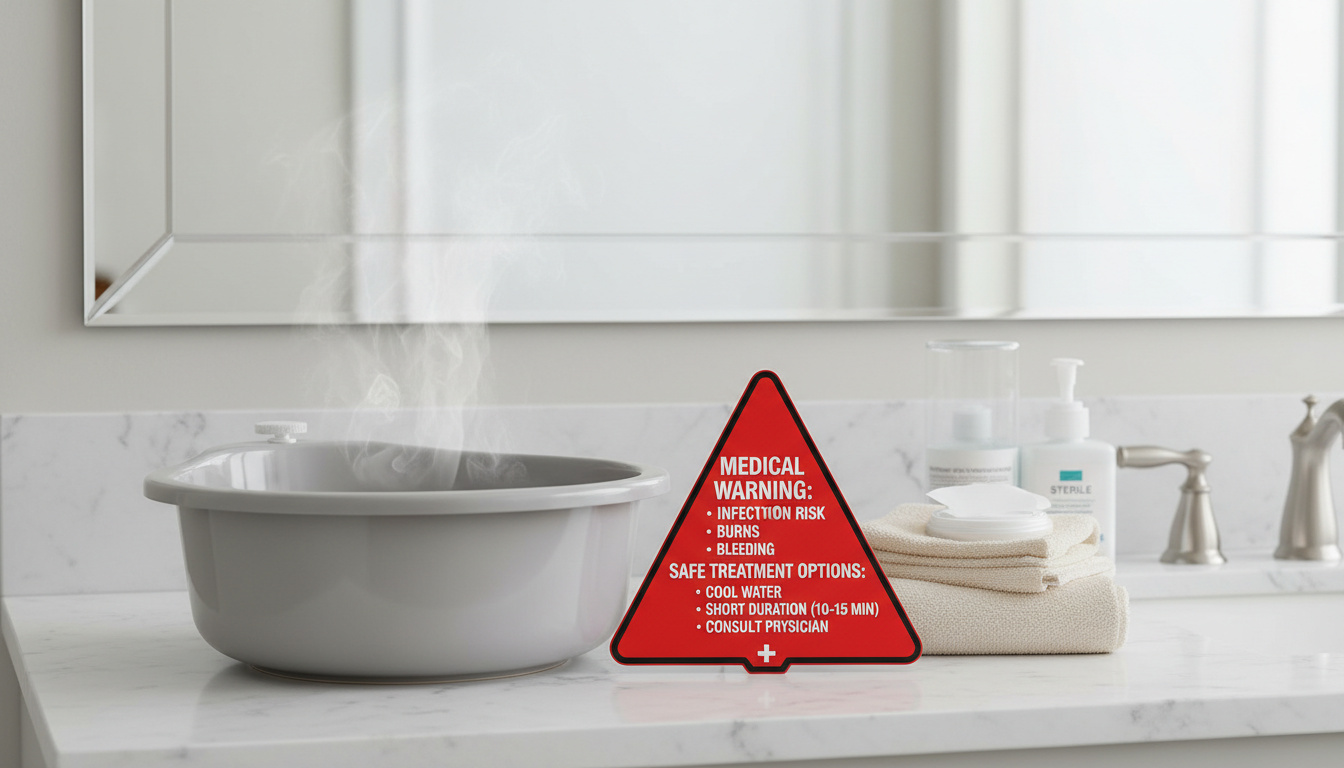
Bartholin cysts present a painful dilemma for many women seeking immediate relief. These fluid-filled swellings near the vaginal opening can grow rapidly, causing discomfort that drives searches for quick home solutions. While the urge to lance or squeeze the lump is understandable, medical consensus strongly discourages any attempt to manually rupture these cysts outside clinical settings.
Understanding the difference between safe symptom management and dangerous DIY procedures is essential. Home care focuses on encouraging natural drainage through gentle methods like warm water immersion, whereas forced rupture carries significant risks of infection and permanent tissue damage. This guide examines what medical experts recommend—and what actions to avoid—when managing Bartholin cyst symptoms at home.
Is It Safe to Pop a Bartholin Cyst at Home?
Anatomy and Origin
Bartholin cysts develop near the vaginal opening when ducts of the Bartholin glands become blocked, trapping fluid. These glands normally provide lubrication, but obstruction creates a palpable lump that may remain small or enlarge significantly over days.
Risks of Home Bursting
Attempting to puncture or squeeze the cyst introduces bacteria deep into tissue, risking severe infection, abscess formation, and permanent scarring. The vulvar skin is highly sensitive and prone to complications from trauma or heat burns.
Conservative Care
Safe management relies on sitz baths and warm compresses to promote natural drainage without mechanical force. These methods reduce inflammation and may allow spontaneous rupture without intervention.
Emergency Indicators
Fever, spreading redness, severe pain, or pus signal infection requiring immediate medical evaluation rather than continued home treatment.
- Medical authorities universally classify DIY cyst popping as unsafe, citing risks of tissue injury, bacterial spread, and potential sepsis.
- Many uncomplicated cysts resolve spontaneously or with conservative care within several days to weeks.
- Manual drainage attempts frequently convert simple cysts into complex abscesses requiring surgical intervention.
- Antibiotic therapy is rarely indicated unless secondary infection develops; drainage remains the primary treatment goal.
- The Word catheter procedure offers a minimally invasive alternative to complete gland removal for recurrent cases.
- Skin irritation from topical home remedies can complicate the clinical picture and delay appropriate care.
- Post-rupture care requires meticulous hygiene to prevent bacterial colonization of the open tract.
| Clinical Parameter | Details | Source Basis |
|---|---|---|
| Size threshold for medical concern | Growth exceeding 1 cm or causing significant pain | Clinical guideline |
| Sitz bath duration and frequency | 10-20 minutes, 3-4 times daily | Patient education protocol |
| Warm compress application | 10-30 minutes, several times daily | Supportive care standard |
| Expected improvement timeline | 3-4 days with consistent home care | Clinical observation |
| Word catheter retention period | 4 weeks post-incision and drainage | Surgical protocol |
| Post-rupture monitoring period | 7-14 days for complete healing assessment | Post-treatment care standard |
| Infection indicators requiring antibiotics | Fever, purulent drainage, spreading cellulitis | Medical diagnostic criteria |
| Contrast between cyst and abscess | Abscess presents with acute pain, erythema, and systemic symptoms | Differential diagnosis |
Medical evaluation becomes essential if symptoms worsen or include signs of infection. Banner Health emphasizes that self-popping, squeezing, or puncturing these cysts risks severe injury.
What Happens If a Bartholin Cyst Bursts?
Can a Bartholin Cyst Burst on Its Own?
Spontaneous rupture occurs when pressure within the fluid-filled sac exceeds tissue resistance, often resulting in sudden pain relief accompanied by drainage. This natural process typically happens without intervention during the course of conservative treatment, particularly when warm compresses have softened the cyst wall. Keeping the area clean after spontaneous rupture prevents bacterial reinfection.
What to Do After a Bartholin Cyst Pops
Immediate action focuses on hygiene and monitoring. Gently cleanse the area with mild soap, pat dry thoroughly, and continue sitz baths to ensure complete drainage. While sudden drainage brings relief, maintaining cleanliness remains crucial to prevent abscess formation. How to naturally burst a Bartholin’s cyst at home guides emphasize that natural drainage differs significantly from forced rupture.
Once a cyst bursts, the open tract becomes vulnerable to bacterial colonization. Watch for escalating redness, warmth, or fever, which indicate progression from simple drainage to infectious complication requiring prescription antibiotics.
How Do You Treat a Bartholin Cyst at Home?
Do Sitz Baths Help Bartholin Cysts?
Warm water immersion represents the cornerstone of conservative management. Soaking the perineal area in plain warm water for 10 to 20 minutes, three to four times daily, increases blood flow, reduces swelling, and encourages the duct to reopen naturally. Dr. David Ghozland recommends continuing this regimen for several days to promote resolution without mechanical intervention.
What Home Remedies Work for Bartholin Abscess?
Beyond sitz baths, applying warm compresses with a clean cloth soaked in warm (not hot) water for 10-30 minutes several times daily aids drainage. Over-the-counter anti-inflammatory medications like ibuprofen manage pain while loose cotton underwear and gentle hygiene prevent irritation. Burst Bartholin cyst at home resources suggest maintaining this routine for 3-4 days before reassessing symptoms.
Unproven Remedies Requiring Caution
Topical applications including diluted tea tree oil, apple cider vinegar, castor oil, witch hazel, honey, or turmeric paste lack robust clinical evidence for cyst resolution. While some patients report symptom relief, these substances may irritate sensitive vulvar skin. Healthline advises patch testing any topical agent and discontinuing use if irritation develops.
When Should You See a Doctor for a Bartholin Cyst?
Signs You Need Immediate Medical Care
Persistence beyond 3-4 days of home care, growth larger than 1 centimeter, fever, or purulent discharge necessitates professional evaluation. Cleveland Clinic guidelines indicate that recurrent cysts or those interfering with daily activities require intervention beyond conservative measures.
Medical Treatment Options
Clinicians may perform incision and drainage for abscesses, often placing a Word catheter—a small balloon device left in place for four weeks to maintain duct patency. Marsupialization, which creates a permanent drainage opening, or complete gland excision addresses recurrent or refractory cases. Kaiser Permanente protocols emphasize that antibiotics alone rarely resolve established abscesses without drainage.
This outpatient technique involves draining the abscess, then inserting a small catheter with an inflatable balloon tip. The device remains for approximately one month, allowing epithelialization of a new drainage tract while preventing premature closure and recurrence.
Continue sitz baths after medical intervention to keep the area clean, reduce discomfort, and promote healing of the surgical site.
How Long Does a Bartholin Cyst Take to Burst?
- Days 1-3: Initial swelling and discomfort appear as the duct becomes obstructed. The cyst may be small and painless initially, then enlarge rapidly.
- Week 1: Without intervention, the cyst may develop into a painful abscess characterized by redness, warmth, and acute tenderness.
- Weeks 2-4: Natural rupture may occur spontaneously, or medical intervention becomes necessary if the mass persists or worsens.
- Post-rupture: Healing and monitoring phase lasting 7-14 days, during which the tract closes and tissue returns to normal.
Timeline based on clinical observations from Banner Health and WebMD patient care protocols.
What Do Doctors Know About Home Treatment Risks?
Established Medical Consensus
- Manual popping, squeezing, or lancing at home is universally contraindicated due to risks of bacterial spread and tissue injury.
- Sitz baths demonstrate consistent efficacy in promoting spontaneous drainage for uncomplicated cysts.
- Incision and drainage with catheter placement represents the standard of care for abscess management.
Uncertain or Variable Factors
- Exact timeline for natural rupture varies significantly between individuals and cyst sizes.
- Success rates of herbal or alternative topical remedies remain anecdotal without randomized trial data.
- Specific recurrence rates following conservative versus surgical management lack large-scale longitudinal studies.
What Causes Bartholin Cysts?
Bartholin cysts originate from obstruction of the Bartholin gland ducts, which normally secrete mucus to lubricate the vaginal opening. When blockage occurs—often due to thickened secretions or bacterial involvement—fluid backs up into the gland, creating a cyst. If bacteria subsequently invade the trapped fluid, the cyst may evolve into a painful abscess.
Risk factors include local trauma, sexually transmitted infections, or anatomical variations in duct structure. However, specific preventive protocols beyond general perineal hygiene and safe sexual practices remain poorly defined in current literature. Cleveland Clinic notes that many cases resolve without identifying a specific precipitating cause.
Expert Medical Guidance on Bartholin Cysts
Bartholin cysts or abscesses are fluid-filled lumps near the vaginal opening that often respond to home remedies like warm sitz baths or compresses to reduce swelling and promote natural drainage, but self-popping, squeezing, or puncturing them at home is unsafe and risks severe infection or injury.
— Banner Health Clinical Review
Home methods are generally low-risk for simple cysts but ineffective for infected abscesses; seek a doctor if no improvement in 3-4 days.
— Patient Care Guidelines
What Are the Next Steps for Bartholin Cyst Care?
Managing a Bartholin cyst requires patience and restraint from invasive DIY interventions. Prioritize warm sitz baths and compresses to encourage natural resolution, maintain strict hygiene, and monitor for infection signs. If symptoms persist beyond several days or worsen, seek medical evaluation for possible drainage procedures. Additional perspectives on home management are available, but professional care remains essential for complicated cases.
Frequently Asked Questions
Can antibiotics alone cure a Bartholin abscess?
Antibiotics rarely resolve established abscesses without surgical drainage. Medical treatment focuses on draining the pus, with antibiotics reserved for surrounding cellulitis or systemic infection.
Is a Word catheter painful to have inserted?
Insertion occurs under local anesthesia, minimizing discomfort. The catheter remains for approximately four weeks to prevent duct closure, during which patients may feel mild fullness but typically resume normal activities.
How do I know if my Bartholin cyst is infected?
Infection signs include spreading redness, warmth, fever, and thick yellow or green discharge. These symptoms indicate abscess formation requiring prompt medical drainage rather than continued home care.
Can I use essential oils to treat a Bartholin cyst?
Tea tree oil and other essential oils lack clinical evidence for cyst resolution and may irritate sensitive vulvar tissue. Discontinue use immediately if burning or rash develops.
Will a Bartholin cyst return after it bursts?
Recurrence is common if the duct remains obstructed. Recurrent cysts may require marsupialization or gland removal to create permanent drainage and prevent future blockages.

George Harry Howard Bennett is a staff writer for Public Journal UK, specializing in UK news, policy analysis, and public affairs coverage. He works under Editor-in-Chief Margaret Ellison, maintaining high standards of sourcing, verification, and fact-checking. Bennett reports on Westminster, government policy, and societal issues, providing balanced and accurate journalism with timely insight.