Anyone who has tried to shoot hoops on a wonky, drift-away base knows the frustration. If you are shopping for a basketball hoop for your driveway, garden, or yard, the choice can feel overwhelming between portable, in-ground, and wall-mounted models. This guide cuts through the noise to help you choose the right hoop for your space, budget, and skill level, from backboard size to base fillers.
Average price range for residential hoops: £50 – £150 ·
Regulation height (all standard games): 10 feet (3.05 m) ·
Typical backboard width: 44, 54, or 60 inches ·
Base weight when filled: 50 – 130 kg (110 – 290 lbs) ·
Common backboard materials: Polyethylene, acrylic, steel, polycarbonate
| Specification | Details |
|---|---|
| Backboard materials | Polyethylene, acrylic, steel, polycarbonate |
| Typical backboard widths | 44, 54, 60 inches |
| Base weight when empty | 12–30 kg |
| Base weight when filled | 50–130 kg |
| Height adjustment range | 7.5–10 ft |
| Pole material | Steel (various gauges) |
Quick snapshot
- Mega Slam Hoops UK lists its in-ground 72-inch model at £2,799 after discount (Mega Slam Hoops UK).
- Mega Slam Hoops UK lists its in-ground 60-inch model at £2,299 after discount (Mega Slam Hoops UK).
- Argos lists a Lifetime portable adjustable basketball hoop and backboard at £150 (Argos).
- Argos lists an Opti portable adjustable basketball hoop and backboard at £100 (Argos).
- Which single brand is universally “best” – depends on budget and use.
- Exact long-term durability of gel filler compared to sand.
- Price points in the UK market show a wide spread, from £46 portable units (Trading Depot) to £2,799 in-ground models (Mega Slam Hoops UK).
- Filter by your playing surface and storage space to narrow the field.
Portable hoops and in-ground systems serve different needs. Here are the upsides and downsides of each type.
Upsides
- Portable: Tool-free setup, wheels for moving, good for renters
- In-ground: Rock-solid stability, professional feel, long-term durability
Downsides
- Portable: Less stable in wind, base filler required, smaller boards common
- In-ground: Permanent installation, costly, heavy labour to set up
| Feature | Portable Hoop | In-Ground Hoop |
|---|---|---|
| Installation | Tool-free, fill base with water or sand | Requires digging, concrete, or asphalt |
| Portability | Wheels and handles for easy moving | Permanent once installed |
| Stability | Good, depends on base filler weight | Excellent, fixed to ground |
| Cost | £50 – £150 (typical) | £150 – £2,800+ |
| Best for | Temporary setups, renters, kids | Serious players, permanent home courts |
The trade-off is clear: portability costs stability, and permanent installation costs money and effort but delivers a rock-solid playing experience.
“The 72-inch backboard mimics professional standards and provides a more forgiving rebound surface.” – Mega Slam Hoops UK product description
What is the best basketball hoop for home use?
Choosing the best hoop depends on your space, budget, and how serious you are about the game. A quick look at the market shows a wide range, from budget portable options to premium in-ground systems.
Top features to look for
- Backboard size and material: Polyethylene, acrylic, steel, or polycarbonate. Larger boards (60-72 inches) give better rebounds.
- Height adjustability: Essential for kids and casual players. Look for hoops that adjust from 7.5 to 10 feet.
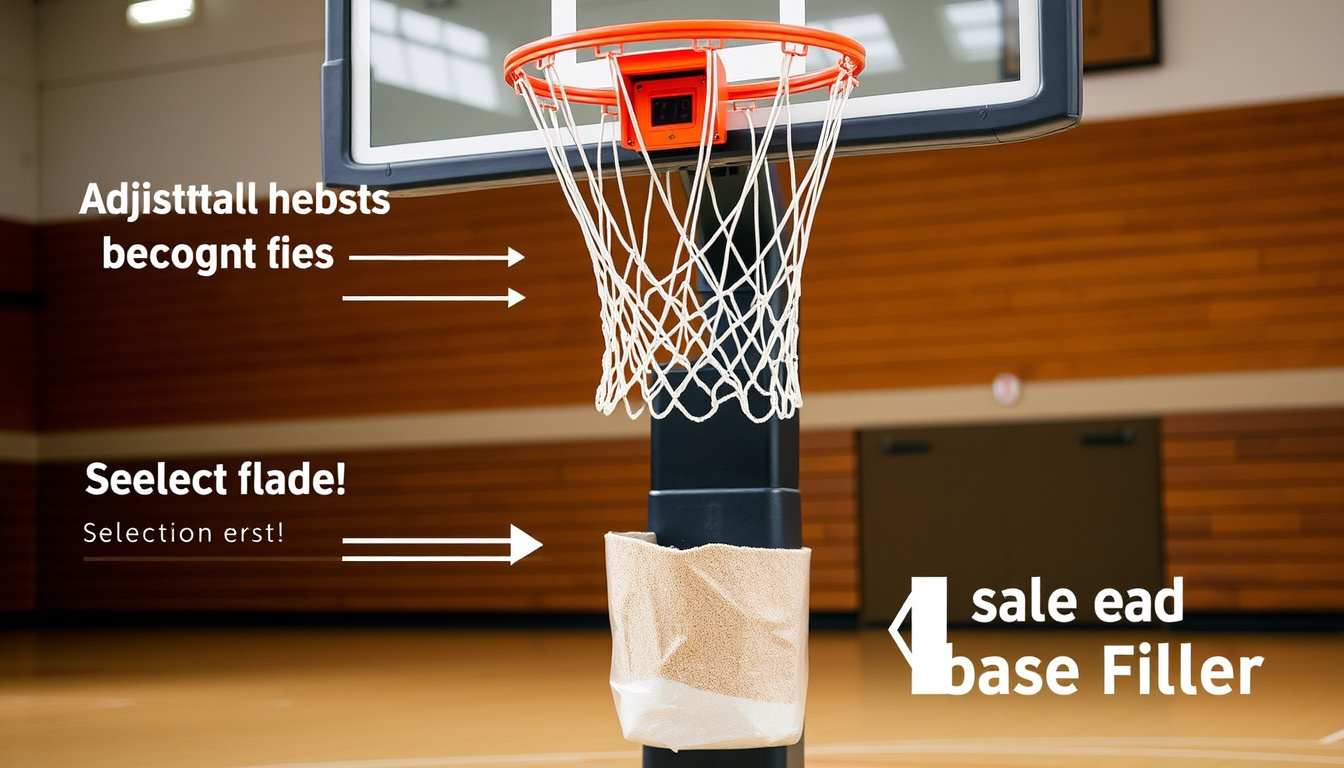
- Base type: Portable hoops use a base that can be filled with water, sand, or gel for stability.
- Pole thickness and material: Steel poles offer durability; thicker walls reduce wobble.
How to balance portability vs stability
Portable hoops with a £150 price tag from Argos offer convenience but require filling the base with water or sand to stay upright. For those who can install a permanent fixture, Mega Slam Hoops UK’s 60-inch in-ground model delivers a professional feel, though at a higher cost.
Best for different ages and spaces
- For young children (ages 5-12): A 44-60 inch backboard with adjustable height is ideal.
- For teens and adults: A 72-inch backboard offers a more realistic rebound.
- For small gardens: A portable hoop with a 60-inch board and a weighted base is practical.
The pattern here is straightforward: home players often overestimate the need for a regulation-size hoop and underestimate the importance of a stable, appropriately sized base. For most UK driveways, a 60-inch backboard with a water-filled base is the sensible starting point, not the 72-inch behemoth.
What size basketball hoop should you choose?
Size matters for both playability and fitting the hoop in your space. The height and backboard dimensions should match the players’ ages and skill levels.
60 vs 72 inch backboards: pros and cons
A 60-inch backboard (60 x 36 inches) is a common choice for home use, offering a solid rebound without dominating the driveway. The 72-inch version (72 x 42 inches) mimics professional standards and provides a more forgiving rebound surface, but requires more space and is often heavier. Mega Slam Hoops UK highlights that the larger backboard is better for players who want a serious shooting experience.
Regulation vs junior height
Regulation height is 10 feet (3.05 m). Most portable hoops adjust down to 7.5 or 8 feet, which is ideal for children. Look for a hoop with a clear height adjustment mechanism to encourage proper shooting form.
How to match size to age and ability
- Ages 5-8: 44-54 inch backboard, height set at 8-9 feet.
- Ages 9-12: 54-60 inch backboard, height at 9-10 feet.
- Teens and adults: 60-72 inch backboard, height at 10 feet.
The catch with smaller boards is that they don’t rebound like the pros, which can cause poor shooting habits. A 60-inch board offers a good middle ground for most home setups.
How much do basketball hoops cost and why are they expensive?
Budget is a major factor. Here is a breakdown of what you can expect to pay and what drives the price up.
Price brackets: budget, mid-range, premium
Portable hoops start around £46. Trading Depot lists options from £45.98 inc VAT. A more typical quality portable hoop is £100-£150, like the Opti and Lifetime models from Argos. Premium portable models can reach £200-£300. In-ground hoops are where prices climb significantly, with models from Mega Slam Hoops UK listed at £2,299-£2,799.
What drives the cost? materials, brand, adjustability
- Steel frames: Heavy-gauge steel poles and welded supports add to durability and cost.
- Backboard material: Acrylic and polycarbonate are more expensive than polyethylene, but they offer better rebound and clarity.
- Adjustable mechanisms: The lift system, whether a crank or slide, adds complexity and cost.
- Brand: Established names like Spalding and Lifetime command a premium for quality and warranty.
How to get value for money
You don’t need to spend £2,000 for a garden hoop. For most home users, a £150-£200 portable hoop from a reputable brand is the sweet spot. Focus on a stable base and a 60-inch backboard. Avoid the cheapest hoops with flimsy bases, as they will likely blow over in the wind and not last.
The price gap between a £100 hoop and a £2,500 hoop is not about the backboard; it’s about the stability of the entire system and the cost of materials that can withstand years of outdoor exposure.
The implication for UK buyers is clear: the expensive in-ground systems are for the enthusiast. If you are not playing daily or semi-competitively, the additional cost of an in-ground system is hard to justify over a well-constructed portable model.
Water, sand, or gel: what is the best base filler for a portable basketball hoop?
The base filler is the single most critical factor for a portable hoop’s stability. Here is how the options stack up.
Water vs sand: weight, stability, and risk of leak
Water is cheap and easy to fill, but it can spill or freeze. Sand is heavier and denser, offering better stability, but it is harder to move once filled. A base filled with sand is significantly more stable than one with water because sand weighs more per gallon. However, it is also more difficult to pour and can absorb moisture, potentially leading to cracks in freezing temperatures. Argos notes that the Lifetime portable hoop base requires 68 kg of sand to achieve a total weight of 90 kg, highlighting how much filler is needed for stability.
“The Lifetime portable hoop base requires 68 kg of sand to achieve a total weight of 90 kg.” – Argos product description
Is base gel really better than sand?
Gel or polymer fillers are expensive and less common. They are marketed as non-toxic and sometimes prevent rust from the inside, but the added cost and lack of tangible performance benefit over sand for most users make it a niche choice. Sand remains the best all-rounder for stability and cost.
How to fill and maintain the base
- Check the manufacturer’s recommendation for the specific model. Some bases are designed for water only.
- If using sand, fill the base after placement, as the weight will make it immovable.
- Consider adding a small amount of water to the sand to help it settle and reduce dust.
The trade-off is between cost and convenience. Water is cheapest and easiest but sand offers the best stability for the price. For a permanent garden placement, sand is the superior choice to avoid blown-over hoops.
Which brand and type offers the best portability?
If you need to move your hoop, portability is a key feature. This is where portable hoops with wheels and folding frames come into their own.
Top portable basketball hoop brands
Spalding and Lifetime are the most common brands in the UK market. Spalding is the official ball supplier to the NBA and offers high-end systems, while Lifetime provides a wide range of affordable options. For a more specialist UK perspective, Hoopsfix (a UK-based basketball culture site) notes that in-ground options from mega-teams like Silverback are top-tier. Brands like MegaSlam are known for heavy-duty in-ground systems.
Mobility features: wheels, folding, weight
Look for hoops with wheels on the base, a handle for tilting, and a relatively light empty base. The base weight of a portable hoop when empty ranges from 12 to 30 kg. A hoop with a 54-inch backboard and a lighter base will be easier to move. Hoops like the Goaliath GoTek 54 from Game Courts UK are designed for easy relocation, with a folding frame and wheels.
How to choose based on your transport needs
If you plan to store the hoop in a shed or garage, measure your door heights and widths first. A portable hoop with a 44-inch backboard will fit through a standard double door, but a 60-inch board will not. Look for a hoop with a “tip-and-move” feature that lets you carry it like a wheelbarrow.
For renters or those with limited space, the best portable hoops are those with a low-profile base, wheels, and a quick-lock adjustment system to make toggling between a game and storage a two-minute job.
What this means for the UK shopper is that portability is not free. You will sacrifice some stability, and you must be meticulous about moving the hoop to avoid damaging your driveway. A hoop like the Lifetime 60-inch from Argos represents a strong balance, offering good stability once filled and a manageable weight.
- Determine your playing surface – Concrete, asphalt, or grass dictates whether you need a portable or in-ground system.
- Choose between portable and in-ground – Weigh stability vs portability based on your commitment level and space.
- Select backboard size – 60 inches is the goldilocks for most home driveways; 72 inches for serious players.
- Decide on base filler – Sand for stability, water for convenience, gel for niche cases.
- Set a realistic budget – £150–200 buys a solid portable; expect to pay £2,000+ for premium in-ground.
megaslamhoops.uk, megaslamhoops.uk, hoopsfix.com, gamecourts.co.uk, spalding.com, backyardhoopreviews.com, spalding.com, uk.my-best.com
Frequently asked questions
Can you use a basketball hoop indoors?
Yes, but you will need an in-ground or wall-mounted model, or a portable hoop with a specially designed base that won’t damage floors. Many portable hoops have bases that can be filled with water or sand, which makes them too heavy to use indoors without risk of damage to the floor. Wall-mounted hoops are the best for indoor use as they attach to the wall and do not require a weighted base.
What is the warranty on a typical basketball hoop?
Warranties vary by brand. Many portable hoops come with a 1-2 year warranty on parts and a limited warranty on the backboard and base. In-ground systems often have a longer warranty on the pole and board. Always check the specific product listing on sites like Argos for the exact terms.
How to install an in-ground basketball hoop?
In-ground hoops require a concrete or asphalt base. You need to dig a hole, place the pole sleeve, and set it in concrete. This is a significant project. For a permanent setup, hiring a professional is often recommended. The base may need to be filled with concrete or sand. For a portable, a majority of the setup is filling the base and attaching the backboard, which requires no tools.
What is the best basketball hoop for young children?
For young children, look for a hoop that adjusts to a low height (7.5 to 8 feet) and has a 44-inch or 54-inch backboard. A smaller backboard is less intimidating and easier to make shots on. The base should be stable and preferably filled with water or sand to prevent tipping. Argos highlights models that are portable and easy to move.
How to maintain a basketball hoop base?
For a base filled with water, add a small amount of antifreeze or bleach in cold climates to prevent cracking and algae growth. For sand, check for cracks in the plastic and ensure the plug is secure. The key is to avoid overfilling and to use the correct filler as per the manufacturer’s instructions, such as those from Argos.
Related reading

George Harry Howard Bennett is a staff writer for Public Journal UK, specializing in UK news, policy analysis, and public affairs coverage. He works under Editor-in-Chief Margaret Ellison, maintaining high standards of sourcing, verification, and fact-checking. Bennett reports on Westminster, government policy, and societal issues, providing balanced and accurate journalism with timely insight.