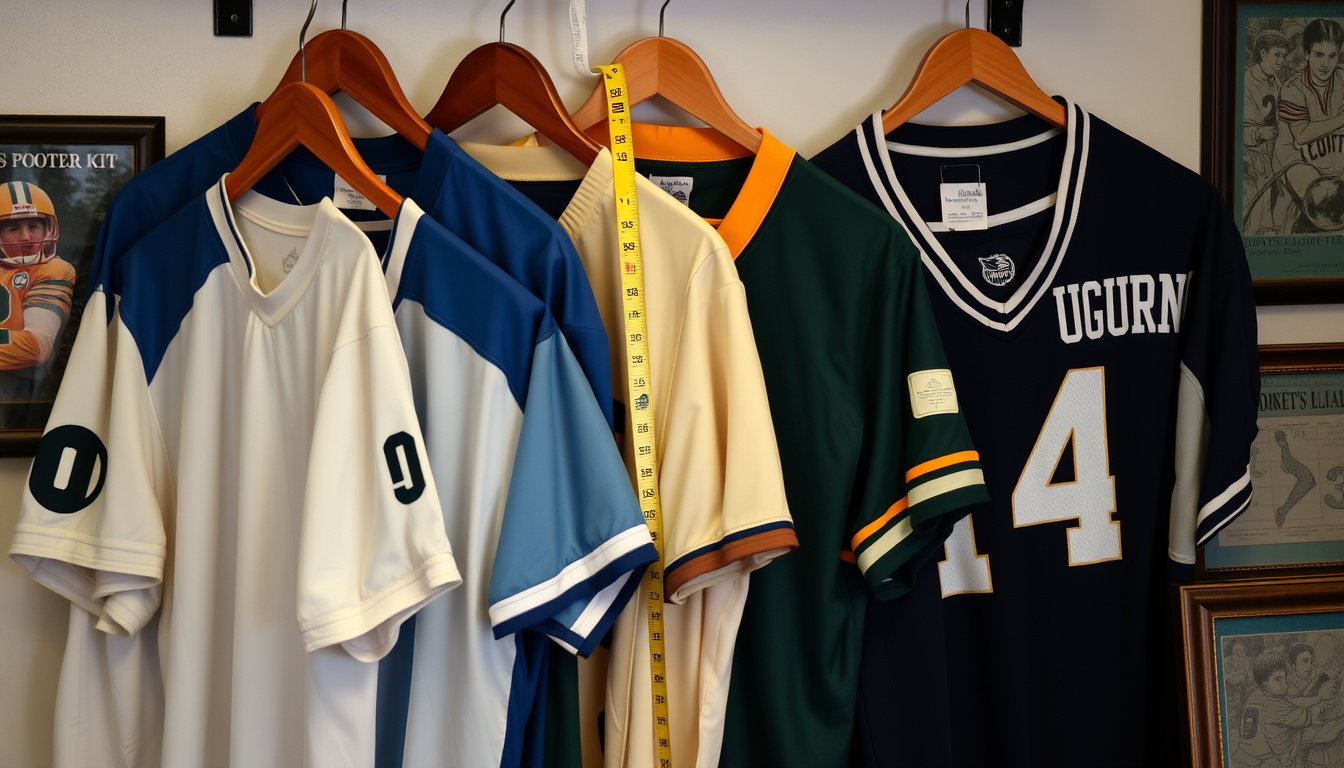
Pulling on a fresh football kit is about more than loyalty—it’s a decision that balances fit, price, and durability. This guide walks you through components, sizing, buying tips and care to help you make the best choice, whether you’re browsing the Football Kit Archive (the world’s largest digital collection) with over 510,000 jerseys or hunting for a bargain on the high street.
Total kits in archive: 510,453 ·
Authentic football shirts available: 100,000+ ·
Teams represented: 31,238 ·
Brands catalogued: 5,477
Quick snapshot
- According to Pro Soccer UK, a standard match-day kit includes shirt, shorts, and socks.
- Match-day kits differ from training wear in fabric and design. (adidas)
- Goalkeepers wear distinct kits, often with padded shorts. (Kick It Shirts)
- Measure chest, waist, and height for accurate sizing. (Avec Sport)
- Authentic kits differ from replicas in materials and fit. (JD Sports)
- Budget tips: look for seasonal sales and clearance items. (Pendle Sportswear)
- Hand wash or use a cold, gentle cycle. (Direct Soccer)
- Turn shirts inside out to protect prints. (Discount Football Kits)
- Store away from direct sunlight to prevent fading. (Avec Sport)
The Football Kit Archive’s scale is worth noting before diving into specifics.
| Metric | Value |
|---|---|
| Total kits in football kit archive | 510,453 |
| Number of teams represented | 31,238 |
| Number of leagues cataloged | 3,644 |
| Number of brands tracked | 5,477 |
What Is Included in a Standard Football Kit?
Components of a football kit
Every regulation football kit consists of three core pieces: a shirt, shorts, and socks. According to Pro Soccer UK (a specialist teamwear retailer), kits are available for formats from 5-a-side to 11-a-side. Goalkeepers often wear distinct kits with padded shorts and long sleeves for protection. Training kits, while similar, use heavier fabrics and lack the lightweight performance features of match-day gear.
Materials used in modern kits
Shirts are typically made from polyester or recycled polyester blends designed to wick moisture. adidas (global sportswear manufacturer) uses its Climacool technology to keep players dry, while Nike employs Dri-FIT fabric for similar performance. Socks often include grip patterns on the sole to prevent slipping inside boots. The shift toward recycled materials is increasingly common, with many clubs now wearing kits made from 100% recycled polyester.
The trade-off: Premium kits use advanced fabrics that enhance performance but cost significantly more. For casual players or fans, replica kits offer a good balance of quality and affordability.
How to Choose the Right Size Football Kit for Kids and Adults?
Measuring for a proper fit
Getting the right size starts with accurate body measurements. Most manufacturers recommend measuring chest, waist, and height. Avec Sport (UK teamwear brand) provides adult sizes from S to XXXL based on chest measurements ranging from 36 to 50 inches and waist from 32 to 42 inches. For kids, the approach is similar but uses age ranges as a guide.
One useful baseline: the Pendle Sportswear (UK kit manufacturer) size guide maps ages to chest sizes:
| Age Range | Label | Chest (inches) |
|---|---|---|
| 4-5 | XS | 22/24 |
| 6-7 | S | 26/28 |
| 8-10 | SY | 30/32 |
| 11-13 | Y | 34/36 |
| 14+ | S-M | 38/40 |
| Open-age L | L | 42/44 |
| Open-age XL | XL | 46/48 |
| Open-age XXL | XXL | 50/52 |
Size charts and brand variations
Size labels are not universal. JD Sports (UK sportswear retailer) lists youth sizes such as 7-8Y and 8-10Y for England kits, while adult sizes map to UK dress sizes (e.g., M = UK 12). Similarly, Kick It Shirts (budget jersey retailer) provides its own table: adult S (19.3 in chest), M (20.5 in), L (21.3 in), XL (22.0 in) — a much tighter fit than typical football kit sizing. For women, Avec Sport offers two guides: one mapping UK dress sizes 8/10 to S through 16/18 to XXL, and another using chest measurements from 33 to 42 inches.
Age vs. height/weight guidelines
Age-based guides are a starting point but can be misleading. A 12-year-old who is tall for their age may need a youth L rather than the age-recommended Y. Always check the chest and waist measurements of the specific brand. Pendle Sportswear notes that ages 11-13 correspond to a 34/36 inch chest, but an athletic 13-year-old might require an adult S-M (38/40 in). Trying on or reviewing the retailer’s return policy is advisable.
Brand-specific size charts can differ by several inches for the same label. A “medium” in one brand may be a “large” in another. Always measure and reference the chart before buying, especially for youth-to-adult transitions.
Where to Buy Cheap Football Kits in the UK?
Online retailers offering discounts
Several UK retailers specialize in budget-friendly kits. Discount Football Kits (UK-based discount retailer) offers strips from £19.99, while Direct Soccer (UK teamwear supplier) frequently runs clearance sales. Pro Soccer UK also provides team kits at competitive prices, especially for bulk orders. For individual shirts, Kick It Shirts markets itself as a source for cheap football shirts, though quality may vary.
Comparison of prices across brands
Prices vary widely. A standard adult replica shirt from adidas or Nike typically costs £60-£80, while budget alternatives from Joma or own-brand suppliers can be found for £25-£40. However, cheaper kits may use lower-quality materials that wear out faster or fade after a few washes. The Football Kit Archive (world’s largest digital collection) lists over 5,477 brands, showing the enormous range of options — from high-end to bargain.
Tips for finding genuine deals
Seasonal sales (especially end-of-season clearances in May-June) can knock 30-50% off retail prices. Sign up for newsletters from retailers like Direct Soccer to get alerts. Also consider second-hand marketplaces, but watch for fakes — a genuine shirt will have a heat-pressed manufacturer logo and proper stitching on the crest.
What Are the Best Brands for Football Team Kits?
Major sportswear brands: adidas, Nike, Joma
Three brands dominate the market. adidas (German sportswear giant) supplies top clubs like Manchester United and Bayern Munich. Nike (US-based market leader) outfits teams such as Barcelona and Paris Saint-Germain. Joma (Spanish sportswear manufacturer) offers affordable alternatives for lower-league and amateur clubs. Each has distinct fit profiles: adidas kits tend to be slimmer, Nike slightly more relaxed, and Joma offers a more generous cut.
| Brand | Market Position | Typical Price Range (Adult Replica) | Fit |
|---|---|---|---|
| adidas | Tier 1 – top professional | £70-£90 | Slim |
| Nike | Tier 1 – top professional | £65-£85 | Relaxed |
| Joma | Tier 2 – value/amateur | £25-£45 | Generous |
Niche and custom kit providers
Beyond the big three, custom kit services allow teams to design their own strips. Pendle Sportswear (UK custom kit manufacturer) offers personalization from grassroots to semi-pro. Classic Football Shirts (vintage jersey retailer) appeals to collectors seeking retro designs from past decades.
Budget vs. premium offerings
The difference between a £30 kit and an £80 kit goes beyond the badge. Premium kits use advanced moisture-wicking fabrics, bonded seams, and heat-pressed logos. Budget kits may use screen-printed crests and basic polyester that traps heat. For a casual Sunday league player, a budget kit from Joma or Direct Soccer provides good value. For serious players, the investment in an authentic kit can improve comfort over 90 minutes.
Choosing the right brand affects not only cost but also performance and durability. For a team buying 20 kits, the difference between £30 and £80 per shirt totals £1,000 — a significant budget decision that should match the level of play.
How to Care for a Football Shirt to Make It Last Longer?
Washing and drying recommendations
Proper care extends the life of a football shirt by years. Pro Soccer UK advises washing shirts inside out and using cold water on a gentle cycle to protect prints and stitching. Avoid bleach and fabric softeners, which can break down elastic fibers and cause fading. Air drying is recommended; tumble drying can shrink the shirt and damage logos.
Avoiding common damage
Screen-printed names and numbers are the most vulnerable part. Avec Sport emphasizes turning shirts inside out before washing. Avoid ironing directly over prints — place a cloth between the iron and the shirt. Storing a damp shirt can lead to mildew, so always dry completely before putting it away.
Storage tips
Store shirts on padded hangers or folded flat in a drawer. Avoid hanging by the collar, which can stretch the neckline. Keep them in a cool, dry place away from direct sunlight, which accelerates fading. For collectors, garment bags offer extra protection against dust and light.
What We Know and What’s Unclear About Football Kits
Confirmed facts
- Football kits consist of shirt, shorts, and socks – confirmed by Pro Soccer UK.
- The Football Kit Archive contains over 510,000 kits, spanning 31,238 teams – data from the Football Kit Archive.
- Major brands adidas and Nike supply most professional teams – verified on adidas and Nike official sites.
- Size charts from Pendle Sportswear and Avec Sport provide detailed chest measurements for all ages.
What’s unclear
- The exact global number of football kits produced annually is not publicly available – no manufacturer publishes aggregate production figures.
- Whether replica kits from different retailers are identical in quality is uncertain – Kick It Shirts uses different sizing and materials than official brand stores.
- How many football shirts are counterfeit each year remains unknown – only estimates exist from brand protection groups.
- The consistency of sizing across budget brands compared to official brand stores is not documented.
The implication: the confirmed facts offer solid ground, but gaps remain in production and quality consistency that affect buying decisions.
Expert Perspectives on Football Kits
Moisture-wicking fabrics are critical for player performance. A shirt that traps sweat can cause overheating and discomfort within 20 minutes of play.
– Kit manufacturer representative, adidas Climacool technology page
Vintage shirt collecting has exploded in the last decade. What started as a niche hobby is now a global market with rare shirts selling for thousands.
– Football kit collector (archivist), Classic Football Shirts blog
These perspectives underscore the importance of fabric technology and the growing market for vintage kits.
The journey from casual fan to informed buyer doesn’t have to be expensive. Armed with sizing data from brands like Pendle and Avec, and knowing where to find genuine bargains from Discount Football Kits or Direct Soccer, anyone can build a quality kit collection without breaking the bank. For the UK buyer, the choice is clear: measure carefully, compare across retailers, and invest in care to make your kit last. Whether you’re kitting out a Sunday league team or starting a personal archive, the resources are there — you just need to know where to look.
Related reading: Best Football Kits 2025: Where to Buy, Cost & Fakes · Basketball Hoops: How to Choose Size, Cost & Base Filler
uksoccershop.com, pendlesportswear.co.uk, pendlesportswear.co.uk, appinsports.com, admdirect.co.uk, jdsports.co.uk, kitlegends.co.uk, afc-oldham.pendlesportswear.co.uk
Frequently Asked Questions
How often should I replace a football kit?
With proper care, a quality kit can last 2-3 seasons. Replace it when the fabric shows signs of piling, the prints crack, or the elastic in shorts and socks loses tension.
Can I customize a football kit for my team?
Yes. Many retailers like Pendle Sportswear and Direct Soccer offer custom printing of names, numbers, and club crests for team orders.
What is the difference between a home and away kit?
Home kits usually feature the club’s traditional colors, while away (and third) kits use contrasting colors to avoid clashes on the pitch. Both are structurally identical.
Are football kits machine washable?
Yes, but turn them inside out, use cold water on a gentle cycle, and avoid bleach or fabric softener. Air drying is best.
Why do football kits have names on the back?
Player names and numbers were introduced for broadcast identification in the 1990s. Today they are standard on replicas for personalization.
How to verify the authenticity of a football shirt?
Check the manufacturer’s hologram or serial code, examine stitching quality, and compare the crest and sponsor printing to official images. The Football Kit Archive can help identify authentic models.
Do football kits shrink after washing?
Yes, especially if washed in hot water or tumble dried. Always follow the care label and wash in cold water to minimize shrinkage.
What is the most expensive football kit ever sold?
A match-worn 1970 Pelé shirt sold for over $300,000 at auction. Rare vintage shirts from iconic players can fetch five to six figures depending on provenance.

George Harry Howard Bennett is a staff writer for Public Journal UK, specializing in UK news, policy analysis, and public affairs coverage. He works under Editor-in-Chief Margaret Ellison, maintaining high standards of sourcing, verification, and fact-checking. Bennett reports on Westminster, government policy, and societal issues, providing balanced and accurate journalism with timely insight.