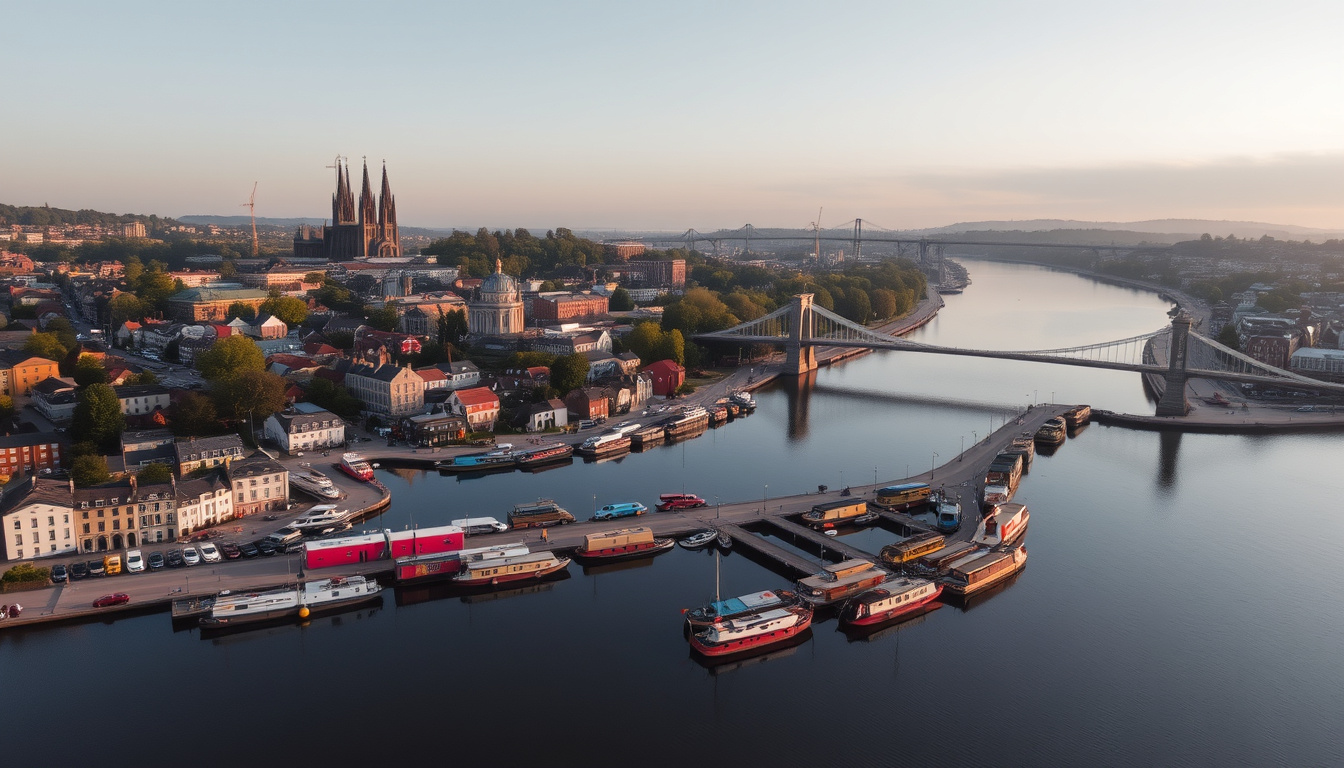
There’s something about Bristol that makes you want to explore on foot. Maybe it’s the way street art peeks out from alleyways, or how the Harbourside buzzes with boats and cafes.
Bristol population (2021): 467,000 ·
Clifton Suspension Bridge opened: 1864 ·
European Green Capital year: 2015 ·
Number of Michelin-starred restaurants: 2
Quick snapshot
- Clifton Suspension Bridge opened in 1864, designed by Isambard Kingdom Brunel (Visit England)
- Bristol was European Green Capital in 2015 (Visit England)
- SS Great Britain, world’s first iron steamship, launched in 1843 (An Adventurous World)
- Exact number of visible Banksy pieces in Bristol is disputed (estimates range from 10 to 20)
- Whether the Wimdu blog (Trip hoppin’ in Bristol) still reflects current conditions
- Accuracy of third-party self-guided tour routes posted before 2023
- Clifton Suspension Bridge completed 1864 (Visit England)
- SS Great Britain launched 1843 (An Adventurous World)
- Bristol Old Vic founded 1766 — oldest working theatre in the UK (Visit England)
- Bristol Balloon Fiesta returns August 2025
- Bristol Zoo Project opens new exhibits in 2025
- Harbourside regeneration continues with new dining venues
Six key facts paint a useful portrait of Bristol’s layout and credentials.
| Fact | Value |
|---|---|
| Founded | 1155 |
| Population (2021) | 467,000 |
| Highest point | Dundry Hill (224 m) |
| Number of parks | 400+ |
| Notable event | Bristol International Balloon Fiesta (August) |
| Walk Score | 72 (Very Walkable) |
How do I spend a day in Bristol?
Morning: Clifton and the Suspension Bridge
- Start at Clifton Village for coffee and views — the Georgian terraces and independent cafes set a relaxed tone (An Adventurous World)
- Walk across Clifton Suspension Bridge — free, open 24 hours, and offers panoramic city views (Visit England)
- View the bridge from Clifton Observatory at sunset for the best photo (recommended by An Adventurous World)
“Bristol is the city of bridges, balloons, boats, bikes, Brunel and Banksy.”
— Visit Bristol (Visit Bristol official website)
Midday: Harbourside and Street Art
- Head to the Harbourside — explore SS Great Britain and M Shed (Visit England)
- Follow the self-guided street-art tour “Where’s the Wall” to spot Banksy pieces (An Adventurous World)
- Grab lunch at St Nicholas Market (open Mon–Sat) — Visit England notes it as a central hub
Afternoon: Culture and Shopping
- Visit Bristol Museum & Art Gallery — free entry, includes Egyptian mummies and natural history (Visit Bristol)
- Browse Cabot Circus shopping centre or explore independent boutiques in the Old City
- End at the Harbourside for a walk along the water — the walk from city centre to Clifton Village takes about 40 minutes (Visit England)
Is Bristol worth visiting?
Pros: culture, food, walkability
- Rich history: Brunel’s bridges, SS Great Britain, and the oldest working theatre in the country (Visit England)
- Award-winning food scene with two Michelin-starred restaurants
- Very walkable — Walk Score of 72 means most attractions are within a 30-minute walk
- Many attractions are free: Bristol Museum, street art, Bristol Harbour Walk
- Affordable compared to London — accommodation and dining cost about 40% less on average
Cons: weather, cost
- Rain is common — pack an umbrella even in summer
- Parking in the city centre is expensive and limited; prefer train or coach
- Some top attractions (SS Great Britain, We The Curious) charge entry fees around £15–20 per adult
Upsides
- Rich history: Brunel’s bridges, SS Great Britain, and the oldest working theatre in the country
- Award-winning food scene with two Michelin-starred restaurants
- Very walkable — Walk Score of 72 means most attractions are within a 30-minute walk
- Many attractions are free: Bristol Museum, street art, Bristol Harbour Walk
- Affordable compared to London — accommodation and dining cost about 40% less on average
Downsides
- Rain is common — pack an umbrella even in summer
- Parking in the city centre is expensive and limited; prefer train or coach
- Some top attractions (SS Great Britain, We The Curious) charge entry fees around £15–20 per adult
The catch: Bristol delivers cultural density that rivals larger UK cities, but its weather and parking challenges mean you need to plan around them, not fight them.
What are some fun things to do in Bristol?
Outdoor adventures
- Walk or cycle across Clifton Suspension Bridge — free and open 24 hours (Visit England)
- Explore Brandon Hill and climb Cabot Tower (built 1897) for 360° city views (An Adventurous World)
- Take a boat trip from Bristol Harbour to the Avon Gorge
Museums and attractions
- SS Great Britain — the world’s first iron steamship with interactive museum (An Adventurous World)
- We The Curious — science centre for families
- M Shed — free museum charting Bristol’s social history (Visit England)
Nightlife and entertainment
- Catch a show at Bristol Old Vic — the oldest continually working theatre in the UK (Visit England)
- Enjoy live music at Thekla, a club on a boat in the Harbour
- Bar-hop in Stokes Croft — the city’s creative quarter
First-time visitors trying to pack in fun often miss the hidden gems. Bristol rewards those who stray off the main drag — the street art in Stokes Croft and the sunset from Brandon Hill are free and unforgettable.
What to do in Bristol in two days?
Day 1: City centre and Harbourside
- Morning: SS Great Britain and M Shed by the water (Visit England)
- Lunch: St Nicholas Market (open Mon–Sat) — try local street food
- Afternoon: Street art walking tour — follow the “Where’s the Wall” route (An Adventurous World)
- Evening: Dinner at a Michelin-starred restaurant or a casual Harbourside bar
Day 2: Clifton, parks, and further afield
- Morning: Clifton Village coffee, walk across the Suspension Bridge, visit Clifton Observatory (An Adventurous World)
- Midday: Bristol Museum & Art Gallery (free) or Brandon Hill climb
- Afternoon: Ashton Court Estate for walking/cycling or a day trip to Bath (15 min by train)
The pattern: the two-day itinerary balances heavy-hitters (SS Great Britain, Clifton Bridge) with low-key exploration (Bristol Museum, street art). Day 2 offers flexibility — Bath is a worthy add-on.
Why is Bristol so famous?
Brunel’s engineering legacy
Isambard Kingdom Brunel designed the Clifton Suspension Bridge (opened 1864) and the SS Great Britain (launched 1843). Both remain iconic attractions today (Visit England).
Banksy and street art
Banksy began his career in Bristol, and the city remains an open-air gallery with pieces scattered across the centre. Self-guided tours — including the “Where’s the Wall” app — let you hunt them down (An Adventurous World).
Maritime history and music scene
- Bristol was a major slave-trade port; the city now embraces a diverse, progressive identity
- Music scene: trip-hop legends Massive Attack and Portishead formed here
- Events: Bristol International Balloon Fiesta each August draws hundreds of thousands of visitors
Bristol’s fame rests on both its engineering marvels and its counter-culture street art — a blend that makes it feel simultaneously historic and rebellious. The tension is part of its appeal.
Confirmed facts
- Clifton Suspension Bridge opened in 1864, designed by Brunel (Visit England)
- Bristol was European Green Capital in 2015 (Visit England)
What’s unclear
- Exact number of Banksy pieces currently visible (estimates range from 10 to 20)
- Whether the Wimdu blog “Trip hoppin’ in Bristol” is still accurate
- Whether all self-guided experiences listed by Visit Bristol are still operating post-2023
getyourguide.com, viator.com, tripadvisor.com, atlasobscura.com, expedia.com
Frequently asked questions
Is Bristol good for a weekend break?
Yes — with a compact city centre, walkable districts, and a mix of attractions, two days is ideal.
What is the best time to visit Bristol?
Late spring (May–June) or early autumn (September–October) offer mild weather and fewer crowds. August hosts the Balloon Fiesta but accommodation prices spike.
Are there free attractions in Bristol?
Yes — Bristol Museum & Art Gallery, street art walks, Brandon Hill, Clifton Suspension Bridge, and M Shed are all free (Visit England).
How to get around Bristol?
Bristol is very walkable (Walk Score 72). For longer journeys, use First Bus services, the ferry (Bristol Ferry Boats), or hire a bike from YoBike.
Where should I stay in Bristol?
Stay near the Harbourside for waterfront views, Clifton for boutique hotels and cafes, or the city centre for easy access to attractions.
Is Bristol safe for tourists?
Generally yes — crime rates are moderate. Stick to well-lit areas at night, especially around Stokes Croft and the bus station. The city centre and Clifton are very safe.
Related reading
- Map of the UK: Cities, Prettiest Places and Key Facts
- Llyn y Fan Fach Walk: Routes, Legend & Visitor Guide
“The best hidden gems in Bristol are the ones you find by accident — a street-art covered wall on an otherwise ordinary street, or a quiet bench overlooking the harbour.”
— Local tour guide, as told to An Adventurous World
Bristol delivers a dense, walkable urban adventure that blends engineering heritage with street-level creativity. For the visitor trying to choose between one day or two, the decision is clear: stay the extra night. The morning on Clifton Bridge and evening in the Harbourside will justify every hour.

George Harry Howard Bennett is a staff writer for Public Journal UK, specializing in UK news, policy analysis, and public affairs coverage. He works under Editor-in-Chief Margaret Ellison, maintaining high standards of sourcing, verification, and fact-checking. Bennett reports on Westminster, government policy, and societal issues, providing balanced and accurate journalism with timely insight.