Pins and Needles in Left Arm – Causes, Red Flags and When to Worry
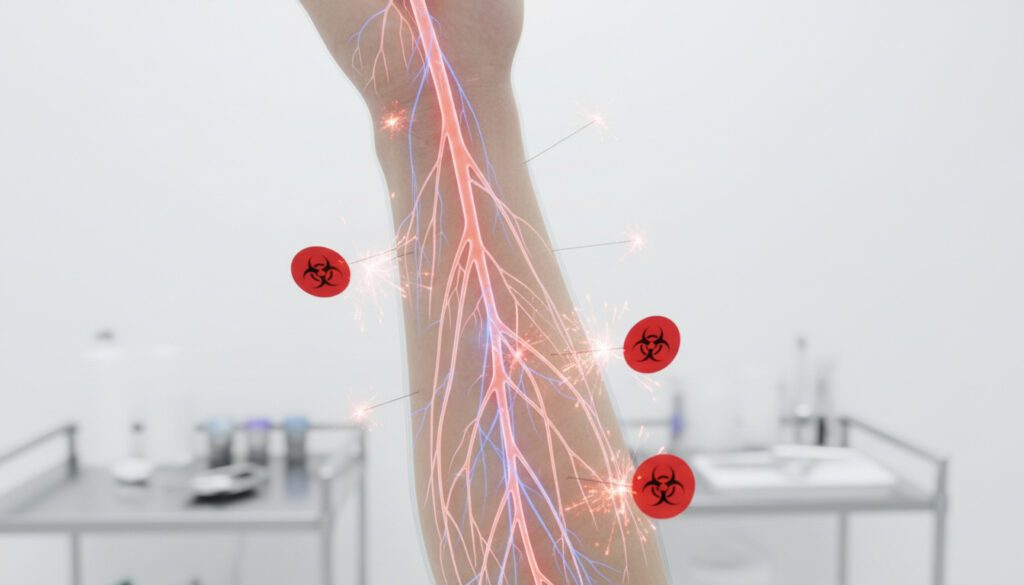
Tingling sensations running through the left arm—often described as pins and needles—represent one of the most common yet potentially alarming neurological symptoms adults experience. Medically termed paresthesia, this sensation occurs when nerves send abnormal signals to the brain, creating that distinctive prickling feeling that ranges from mildly annoying to genuinely frightening.
While many instances prove harmless, resolving within minutes of changing position, persistent or sudden onset tingling in the left arm sometimes signals serious cardiovascular or neurological events. Understanding the distinction between benign nerve compression and emergency-worthy symptoms could prove lifesaving.
This analysis examines the anatomical, physiological, and environmental factors behind left arm paresthesia, drawing on current clinical research to distinguish between causes requiring simple lifestyle adjustments and those demanding immediate medical intervention.
What Causes Pins and Needles in the Left Arm?
Nerve compression, ulnar entrapment, repetitive motion injuries, and temporary pressure from sleeping positions
Accompanying chest pressure, sudden one-sided weakness, facial drooping, or speech difficulties
Transient episodes lasting seconds to minutes versus chronic symptoms persisting beyond six weeks
positional adjustments, ergonomic workstation changes, and gentle stretching protocols
- Ulnar nerve vulnerability: Pressure on the ulnar nerve at the elbow affects nearly everyone temporarily, causing characteristic tingling in the ring and pinky fingers.
- Cardiac misconceptions: Left arm symptoms do not automatically indicate heart disease despite widespread cultural association, though they can signal cardiac events when combined with other symptoms.
- Inflammatory connections: Rheumatoid arthritis and lupus can compress peripheral nerves without visible structural damage on standard imaging.
- Trauma correlations: Broken arm recoveries frequently involve transient paresthesia lasting weeks as nerves heal alongside bone tissue.
- Surgical sequelae: Post-operative nerve irritation often resolves within three to six months as inflammation subsides.
- Nutritional factors: Vitamin B12 deficiency represents a reversible cause of peripheral neuropathy often presenting with bilateral symptoms.
- Anxiety manifestations: Stress-related hyperventilation typically produces bilateral tingling rather than isolated left arm sensations.
| Symptom Presentation | Likely Cause | Urgency Level | Recommended Step |
|---|---|---|---|
| Tingling in pinky/ring finger | Ulnar nerve compression | Low | Adjust posture, consider night splint |
| Whole hand numbness with wrist pain | Carpal tunnel syndrome | Low-Medium | Ergonomic changes, wrist splint |
| Left arm tingling with chest pressure | Cardiac event | High | Call emergency services immediately |
| Tingling following arm fracture | Nerve trauma from injury | Medium | Orthopedic evaluation |
| Persistent bilateral tingling | Peripheral neuropathy | Medium | Blood glucose and vitamin testing |
| Neck pain radiating to arm | Cervical radiculopathy | Medium | Imaging and physical therapy referral |
| Tingling appearing post-surgery | Nerve irritation from procedure | Low-Medium | Follow-up with surgical team |
| Intermittent tingling during stress | Anxiety or hyperventilation | Low | Breathing techniques and Mental Health Awareness Week resources |
Is Pins and Needles in Left Arm Serious?
Determining the seriousness of left arm paresthesia requires contextual evaluation of accompanying symptoms and risk factors. While isolated tingling rarely indicates life-threatening conditions, specific combinations demand immediate intervention.
Can It Indicate Heart Issues?
Cardiac events frequently manifest through referred pain and sensation changes in the left arm. A blocked coronary artery can produce numbness alongside crushing chest pressure, shortness of breath, nausea, and dizziness. Medical News Today notes that left arm symptoms accompanied by chest discomfort require emergency evaluation. Peripheral artery disease (PAD) presents differently, causing cramping and cool skin during activity due to narrowed arm arteries.
When to See a Doctor
Persistent or recurrent tingling unconnected to position changes warrants medical assessment. Cleveland Clinic emphasizes that muscle weakness, heaviness, or skin discoloration alongside tingling suggests underlying pathology requiring diagnosis. Symptoms following injury, surgery, or in patients with diabetes or alcohol use disorders need prompt evaluation to prevent permanent nerve damage.
Seek immediate care if left arm tingling occurs alongside chest pain, facial drooping, speech difficulties, sudden vision changes, or one-sided weakness. These combinations suggest heart attack or stroke requiring rapid intervention.
Pins and Needles in Left Arm: Anxiety or Other Factors?
Psychological stress frequently manifests as physical neurological symptoms, creating diagnostic confusion for patients and clinicians alike. Understanding the physiological mechanisms distinguishes anxiety-induced sensations from organic pathology.
How Anxiety Triggers Tingling Sensations
Hyperventilation during panic attacks alters blood carbon dioxide levels, producing peripheral nerve excitability that feels like pins and needles. WebMD identifies stress as a recognized trigger for paresthesia, though such episodes typically affect both arms or the extremities bilaterally rather than isolating the left side.
Differentiating Psychological from Physical Causes
Anxiety-related tingling usually correlates with acute stress episodes and resolves as breathing normalizes. Organic nerve compression persists regardless of emotional state and often follows specific anatomical patterns—such as ulnar nerve distribution in the fourth and fifth digits. Systemic conditions like multiple sclerosis or fibromyalgia may present with anxiety-like symptoms but feature additional neurological markers requiring specialist assessment.
Treatment Options for Pins and Needles in the Arm
Therapeutic approaches target underlying etiologies rather than masking symptoms. Treatment intensity ranges from simple home modifications to surgical intervention for severe entrapment.
Conservative Home Remedies
Mild nerve pressure responds to rest, ice or heat therapy, and positional adjustments. Nonsteroidal anti-inflammatory drugs (NSAIDs) like ibuprofen reduce inflammation around compressed nerves. Healthgrades recommends splinting for carpal tunnel or ulnar nerve issues, particularly during sleep when unconscious positioning may exacerbate compression.
Changing arm position, gentle neck stretches, and shaking out the limb often resolve transient paresthesia within minutes. For computer-related symptoms, raising the keyboard height and taking micro-breaks every twenty minutes prevents ulnar nerve compression at the elbow.
Medical Interventions and Surgery
Persistent entrapment syndromes may require steroid injections to reduce nerve inflammation. Cleveland Clinic indicates that surgical decompression becomes necessary when conservative measures fail after several weeks or when muscle weakness develops. Peripheral neuropathy treatment focuses on managing root causes—diabetes control, alcohol cessation, or vitamin B12 supplementation.
Vitamin deficiencies, particularly B12, folate, B1, and B6, contribute to nerve dysfunction reversible through supplementation. GoodRx notes that early intervention prevents progression to permanent damage, especially for metabolic causes.
How Do Pins and Needles Symptoms Progress Over Time?
- Initial Onset: Symptoms appear within seconds to minutes following pressure application, injury, or ischemic events.
- Acute Phase: First 72 hours feature persistent symptoms requiring inflammation management or positional correction.
- Subacute Window: Days three through six weeks represent the typical healing period for nerve compression injuries, including post-surgical recovery.
- Chronic Transition: Symptoms persisting beyond six weeks suggest permanent nerve damage, systemic disease, or structural issues requiring advanced imaging.
- Resolution or Complication: Transient cases resolve immediately upon pressure relief; chronic cases may require ongoing medication or surgical revision.
What Symptoms Indicate Clearly Dangerous Conditions?
| Established Clinical Facts | Uncertain or Diagnostic-Required Areas |
|---|---|
| Transient paresthesia from position changes resolves within minutes of repositioning | Whether isolated unilateral tingling without other symptoms indicates stroke risk |
| Ulnar nerve compression causes specific numbness in the ring and pinky fingers | Specific vitamin deficiency without laboratory blood work confirmation |
| Heart attacks can radiate pain and tingling to the left arm | Whether symptoms originate from spinal compression or peripheral nerve issues without MRI |
| Diabetes represents the leading cause of peripheral neuropathy | Long-term prognosis for post-surgical nerve recovery without electrodiagnostic studies |
| Arthritis and autoimmune conditions inflame nerves directly | Whether anxiety or organic causes dominate in mixed presentations |
Why Does Left Arm Location Matter in Clinical Assessment?
The left arm holds particular diagnostic significance due to its neural and vascular anatomy. Referred cardiac pain commonly manifests in the left upper extremity because of shared neurological pathways between the heart and the arm. This dermatomal overlap means heart ischemia sometimes presents as arm discomfort without classic chest pain, particularly in women and diabetic patients.
Asymmetry provides crucial diagnostic clues. Bilateral tingling typically suggests systemic causes such as vitamin deficiencies, metabolic disorders, or anxiety. Unilateral left-sided symptoms localize pathology to specific nerve roots, the brachial plexus, or cervical spine structures. Pancreatic Cancer Survival Rate discussions remind us that symptom location and timing profoundly impact diagnostic urgency across medical specialties.
Anatomical vulnerabilities differ by side. Most humans exhibit right-hand dominance, potentially exposing left arms to different repetitive strain patterns or protective positioning during sleep. However, specific left-sided complaints still trigger cardiac workups more readily than right-sided equivalents, reflecting the established association between left arm symptoms and coronary events.
What Do Medical Authorities Say About Arm Paresthesia?
Paresthesia in the left arm, often with numbness, can stem from benign causes like nerve pressure or injury, but may signal serious issues such as heart attack, stroke, or peripheral neuropathy. Most cases are not emergencies, but untreated neuropathy or circulatory issues can worsen quality of life or lead to permanent damage.
Cleveland Clinic
Left arm pain and numbness can be symptoms of a heart attack, particularly when accompanied by chest pain, shortness of breath, and nausea. Treatment for tingling depends entirely on the underlying cause, ranging from rest and physical therapy to emergency intervention for cardiac events.
Medical News Today
Anxiety and stress can trigger paresthesia through hyperventilation and altered blood chemistry. However, persistent arm tingling requires medical evaluation to rule out nerve entrapment, diabetes, or autoimmune conditions.
WebMD
What Should You Remember About Left Arm Tingling?
Left arm paresthesia spans a spectrum from harmless temporary compression to life-threatening cardiac events. Key distinctions include duration, accompanying symptoms, and whether the sensation localizes to specific fingers or affects the entire limb. Transient episodes resolving with movement rarely require medical attention, while persistent tingling, especially with weakness or chest discomfort, demands immediate evaluation. Understanding your risk factors—diabetes, arthritis, previous injuries, or cardiovascular history—helps contextualize symptoms and guide appropriate responses.
Frequently Asked Questions
Why pins and needles in left arm only?
Unilateral symptoms typically indicate localized nerve compression, cervical spine issues, or repeated positioning favoring the left side. While cardiac issues can present left-sided, isolated tingling without other symptoms rarely indicates heart problems.
Pins and needles left arm arthritis?
Rheumatoid arthritis and autoimmune conditions inflame joints and surrounding nerves, causing compression without visible structural damage. Anti-inflammatory treatments often resolve both joint pain and associated tingling.
Broken arm pins and needles?
Fractures frequently damage peripheral nerves through trauma or swelling. Post-fracture tingling usually resolves during healing but requires monitoring to ensure nerves aren’t trapped in scar tissue or displaced bone fragments.
Pins and needles after arm surgery?
Surgical procedures often irritate nerves through manipulation, positioning, or inflammation. Post-operative paresthesia typically improves within three to six months; persistent symptoms beyond this window require surgical follow-up.
Is left arm tingling always heart related?
No. While heart attacks can cause left arm symptoms, most instances result from ulnar nerve compression, cervical issues, or carpal tunnel. Cardiac-related tingling almost always includes chest pressure, shortness of breath, or sweating.
How long should I wait before seeing a doctor?
Seek immediate care for sudden onset with weakness, chest pain, or speech changes. For isolated tingling, schedule an appointment if symptoms persist beyond one week, recur frequently, or interfere with daily activities.
More related posts
 Exchange Rate Euro to Pound – March 2026 Rates and Charts
 Archer Aviation Share Price: I ACHR a Strong Buy?
 Oleksandr Usyk: Record, Next Fight, Religion & Toughest Opponent
 Who Is Dan Edgar Dating – Chloe Lewis Relationship Update
 Amber Davies Love Island – Age, Partner, Where Is She Now
 German Tax Break Working Pensioners – 2025 Full Guide
 Russell Hobbs Calm Kettle Review: Quiet Boil & Features
 Jimmy Choo I Want Choo: Scent Notes, Variants & Reviews